
Short Sale or REO? What Servicers Should Weigh Before the Foreclosure Clock Runs
How short sales and REO dispositions compare for servicers: what the research says about loss severity, what a short sale asks of the servicer, and where an experienced agent changes the outcome.
Joe Iuliucci
9/23/20263 min read

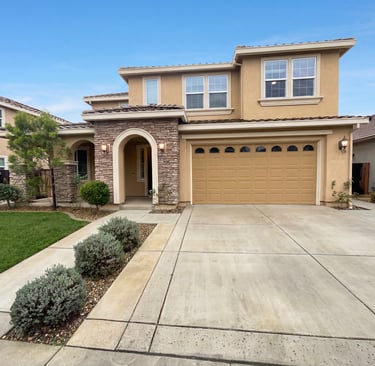
When a loan goes seriously delinquent, a servicer's path usually forks. Work out a short sale with the borrower, or let the foreclosure run and take the property back as REO. Neither is right every time. But the choice is worth making on purpose, and early, because the clock is not neutral.
Why time is the real cost
Research from the Federal Reserve Bank of Philadelphia (An and Cordell, 2019) found that a one-year extension of liquidation timelines could be associated with as much as an 8 percentage point increase in loss severity. The same paper found that REO sales showed higher loss severities than short sales and deeds-in-lieu, even after controlling for how long liquidation took.
That research looked at loans from an earlier cycle, so treat it as direction, not a forecast. The logic still holds. Every month a vacant property sits costs money, and ATTOM put the average foreclosure at 563 days in the second quarter of 2026. That is shorter than before, but still a long time to carry an asset.
What a short sale asks of the servicer
Investor rules drive the process. Fannie Mae's Servicing Guide (section updated August 13, 2025) describes a short sale as a sale of the property for less than the mortgage debt, with Fannie Mae accepting the reduced proceeds. For Fannie Mae loans, requirements include:
The property must be listed with an active status on an MLS for at least five consecutive calendar days, including a Saturday and a Sunday.
The servicer must respond in writing within 30 calendar days of receiving a complete borrower response package, if required, and an initial short sale offer.
Once an offer is approved, the sale must close within 60 calendar days unless the servicer requests a written extension.
Eligible borrowers can receive $7,500 in relocation assistance, and the servicer must release the borrower from deficiency liability on successful completion, subject to mortgage insurance rules.
Freddie Mac works differently in one respect: short sales other than "make-whole" pre-foreclosure sales must be submitted to Freddie Mac for review and approval. Loans held by other investors and insurers follow their own rules, so confirm the requirements for each file before you act.
When each path tends to fit
These are general factors, not rules. Every file is different.
A short sale tends to fit when the borrower is cooperative and can document a hardship, the property is occupied and maintained, buyers are active in the market, and there is enough time before the foreclosure sale date.
REO tends to be the path when the borrower is unresponsive, the property is vacant or abandoned, title or lien issues block a sale, the investor's requirements cannot be met in time, or the foreclosure sale is close.
It is also not always either-or. A short sale that falls through can still move to an REO listing or a dual-path plan with an online auction.
Where an experienced agent changes the outcome
Pricing. A realistic list price supported by a sound BPO keeps offers coming and approvals moving.
Documentation. A complete package avoids the delays that eat into those 30 and 60 day windows.
Communication. Keeping the servicer, borrower and buyer's agent aligned is most of the job.
Fallback. If a short sale cannot close, the same team can move the property to an REO listing without starting over.
Questions to ask before choosing a path
Is the property occupied, and is the borrower engaged?
What does the investor require, and what deadlines apply?
How many days remain until the foreclosure sale?
What would carrying the property as REO cost in preservation, taxes and insurance, and eviction if needed?
Is there a fallback plan if the short sale fails?
Talk it through
KW Default Solutions works with servicers and asset managers on assisted short sales, REO listings and BPOs through Keller Williams' national network of trained local agents. If you have files where the choice is not obvious, we are glad to talk it through.
Joe Iuliucci, KW Default Solutions
888-980-9820 | joe.iuliucci@KWDefault.com | KWDefault.com
This content is educational and is not legal or financial advice. Investor and insurer guidelines change, so verify current requirements for each file.
Sources: Federal Reserve Bank of Philadelphia, "Mortgage Loss Severities: What Keeps Them So High?" (An and Cordell, March 2019); Fannie Mae Servicing Guide, D2-3.3-01, Fannie Mae Short Sale (08/13/2025); Freddie Mac Single-Family, Short Sale; ATTOM Mid-Year 2026 U.S. Foreclosure Market Report (July 16, 2026).